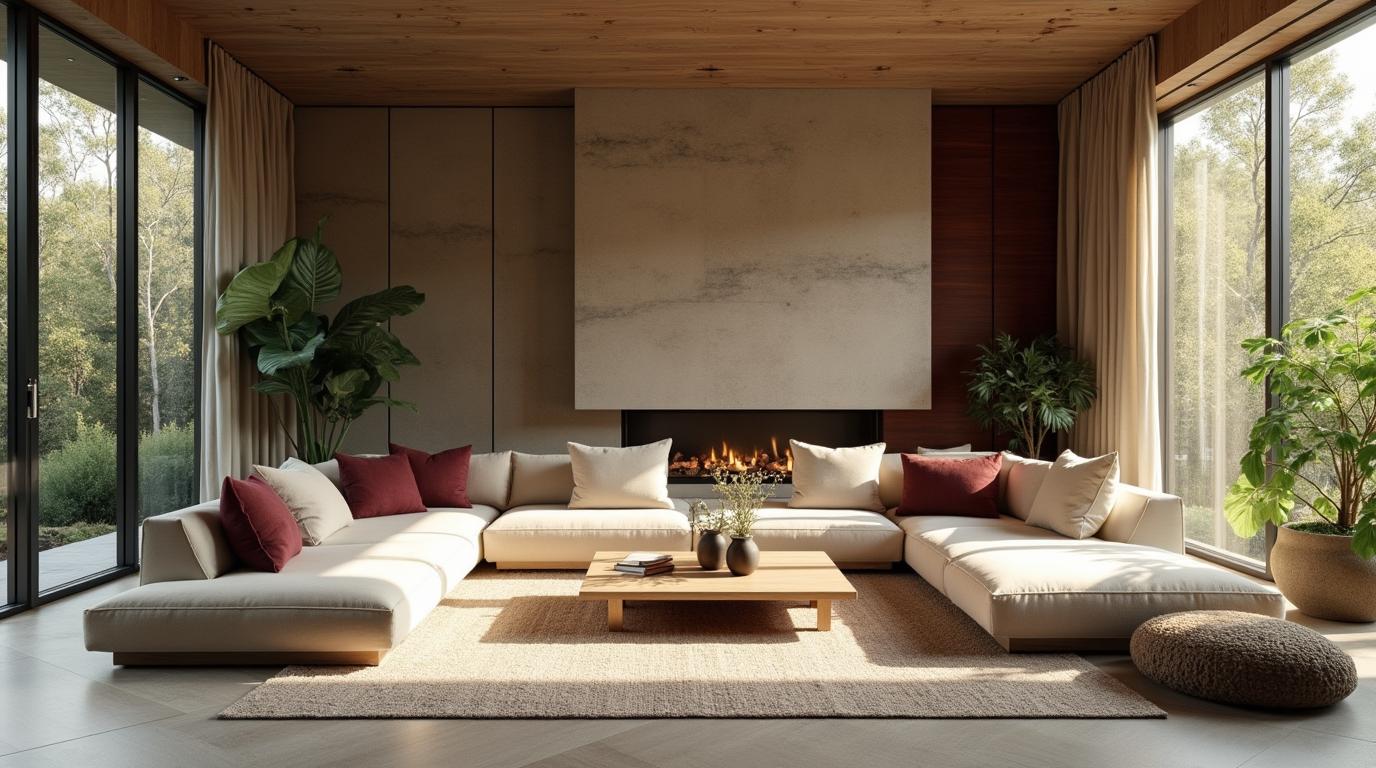
Every season brings a fresh wave of “must-have” looks, and most of them fade as quickly as they arrive. But a handful of movements have proven they are more than passing fashion. They reflect deeper shifts in how clients want to live, work, and feel in their spaces, which is exactly why they keep showing up year after year. For practicing designers, knowing the difference between a fad and a foundation is the skill that protects a portfolio from looking dated.
Here are the trends worth building your work around, along with practical ways to bring each one into your projects.
Sustainable and Natural Materials
Sustainability has moved from a niche selling point to a baseline expectation. Clients increasingly ask where a material comes from, how it was made, and whether it will last. Reclaimed wood, natural stone, wool, linen, cork, and low-VOC finishes are showing up across residential and commercial work alike.
This trend has staying power because it is tied to values, not aesthetics. Environmental awareness is not reversing, and natural materials happen to age beautifully, developing patina and character rather than wearing out cleanly. That gives designers a rare overlap: the responsible choice is often the more beautiful one.
Practical tip: Build a vetted shortlist of suppliers whose sustainability claims you can actually verify, and keep certifications and sourcing notes attached to each product spec. When a client asks “is this responsibly made?”, you want the answer in your spec sheet, not in a forgotten email thread.
Biophilic Design
Biophilic design is the practice of strengthening the connection between interior spaces and the natural world. In practice that means generous daylight, living plants, natural ventilation, organic shapes, water features, and views to the outdoors when they are available.
It endures because it is rooted in how people actually feel. Spaces that bring nature indoors consistently read as calmer and more restorative, and that emotional payoff is something clients notice immediately, even if they cannot name it. As more of life moves indoors and onto screens, the appetite for nature inside our buildings only grows.
Practical tip: You do not need a green wall to deliver biophilia. Start with daylight by reconsidering window treatments, then layer in a few well-placed plants, natural textures, and a clear sightline to whatever greenery exists outside. Small, intentional moves often read as more authentic than one dramatic gesture.
Warm, Earthy Palettes
Cool grays dominated for a decade, and the pendulum has swung firmly toward warmth. Terracotta, clay, ochre, olive, mushroom, and soft browns now anchor interiors that feel grounded and inviting rather than sleek and clinical.
These palettes last because they are quietly flattering and endlessly livable. Earth tones borrow their authority from nature, which means they rarely feel forced and they pair gracefully with the natural materials clients already want. A warm neutral base is also forgiving over time, accommodating new accents without demanding a full redesign.
Practical tip: Anchor a room with a warm neutral on the largest surfaces, then introduce deeper earth tones through textiles and accents you can swap later. This keeps the foundation timeless while leaving room for a space to evolve with the client.
Texture and Tactility
As palettes have quieted down, texture has become the way designers create interest without relying on bold color or pattern. Bouclé, raw plaster, brushed wood, hand-thrown ceramics, nubby wovens, and matte finishes invite touch and give a room depth that photographs cannot fully capture.
Tactility is enduring because it appeals to a sense that trends cannot exhaust. A monochromatic room can still feel rich and considered when it layers a dozen different textures. In an era of flat digital imagery, the physical, hand-made quality of a space is exactly what makes it feel special in person.
Practical tip: When a scheme feels flat, audit it by texture rather than by color. Aim for contrast between smooth and rough, soft and hard, matte and sheen. The goal is a room that rewards a second look and an actual touch.
Multifunctional and Flexible Spaces
The way people use their homes and offices has permanently changed. A single room may need to host work, rest, exercise, and entertaining, often in the same day. Designers are responding with movable furniture, modular seating, convertible rooms, and built-ins that quietly adapt.
This is not a reaction to one moment; it reflects smaller footprints, hybrid work, and the genuine value of getting more from every square foot. Flexibility solves a real problem, and trends that solve real problems tend to stay.
Practical tip: Design for at least two clearly defined uses in any room that has to multitask, and make the transition between them effortless. A console that becomes a desk, or a guest room that doubles as a studio, delivers lasting value that clients feel every week.
Vintage Mixing and Longevity Over Fast Furniture
Fatigue with disposable, flat-pack furniture has fueled a real appreciation for vintage, antique, and heirloom pieces. Mixing old and new gives interiors a collected, lived-in quality that cannot be bought as a matching set, and it lets a single standout piece carry a room.
The deeper shift here is toward longevity. Clients are increasingly willing to invest in fewer, better things that will last decades rather than refresh everything every few years. That mindset rewards the designer who can source well and edit with confidence.
Practical tip: Introduce at least one piece with history into every project, whether antique, vintage, or simply built to last. It instantly adds soul, and it signals to clients that the room was designed to endure rather than to chase a season.
Quiet Luxury and Timeless Over Trendy
Quiet luxury is the deliberate rejection of logos and loud statements in favor of exceptional materials, impeccable proportion, and restrained detail. It is luxury you feel rather than announce, and it reads as confident precisely because it is not trying too hard.
By definition this approach resists obsolescence. When a space is built on quality and proportion instead of of-the-moment motifs, it simply does not date the way a trend-driven room does. For designers, it is the most reliable hedge against a portfolio aging poorly.
Practical tip: Spend the budget where hands and eyes land most: upholstery, hardware, lighting, and the pieces clients touch daily. Excellence in the fundamentals carries a room far longer than any statement wallpaper.
Wellness-Focused Design
Wellness has become a genuine design brief in its own right. Air quality, acoustics, circadian lighting, ergonomic furniture, non-toxic finishes, and dedicated spaces for rest and movement are now central considerations rather than afterthoughts.
This trend is durable because health is not a fad. As people grow more attuned to how their environment affects sleep, focus, and mood, they expect their spaces to actively support well-being. Designers who can speak fluently about light, air, and acoustics offer something clients increasingly cannot find elsewhere.
Practical tip: Treat lighting as a wellness tool, not just a decorative one. Layer warm, dimmable sources for evening and prioritize daylight during the day. Pair that with low-toxicity finishes and a few soft, sound-absorbing surfaces, and a space starts to feel as good as it looks.
Building a Practice Around What Lasts
What unites every trend here is a move away from the disposable and toward the meaningful. Clients want spaces that are healthier, more personal, more sustainable, and built to last. The designers who thrive are the ones who can translate those values into specific products, finishes, and decisions, then keep all of it organized as a project grows.
That last part is where the work often gets lost. The right sustainable supplier, the verified material spec, the vintage source you found two months ago, the wellness rationale you promised the client. Keeping those details tracked and at your fingertips, whether in a tool like idocia or a system of your own, is what lets you deliver timeless work consistently rather than once. Trends will keep coming and going. A practice grounded in what endures is what keeps your work relevant long after the season turns.